Why "High Protein" Can Be The Wrong Trade
Why "High Protein" Can Be The Wrong Trade
Quick Answer
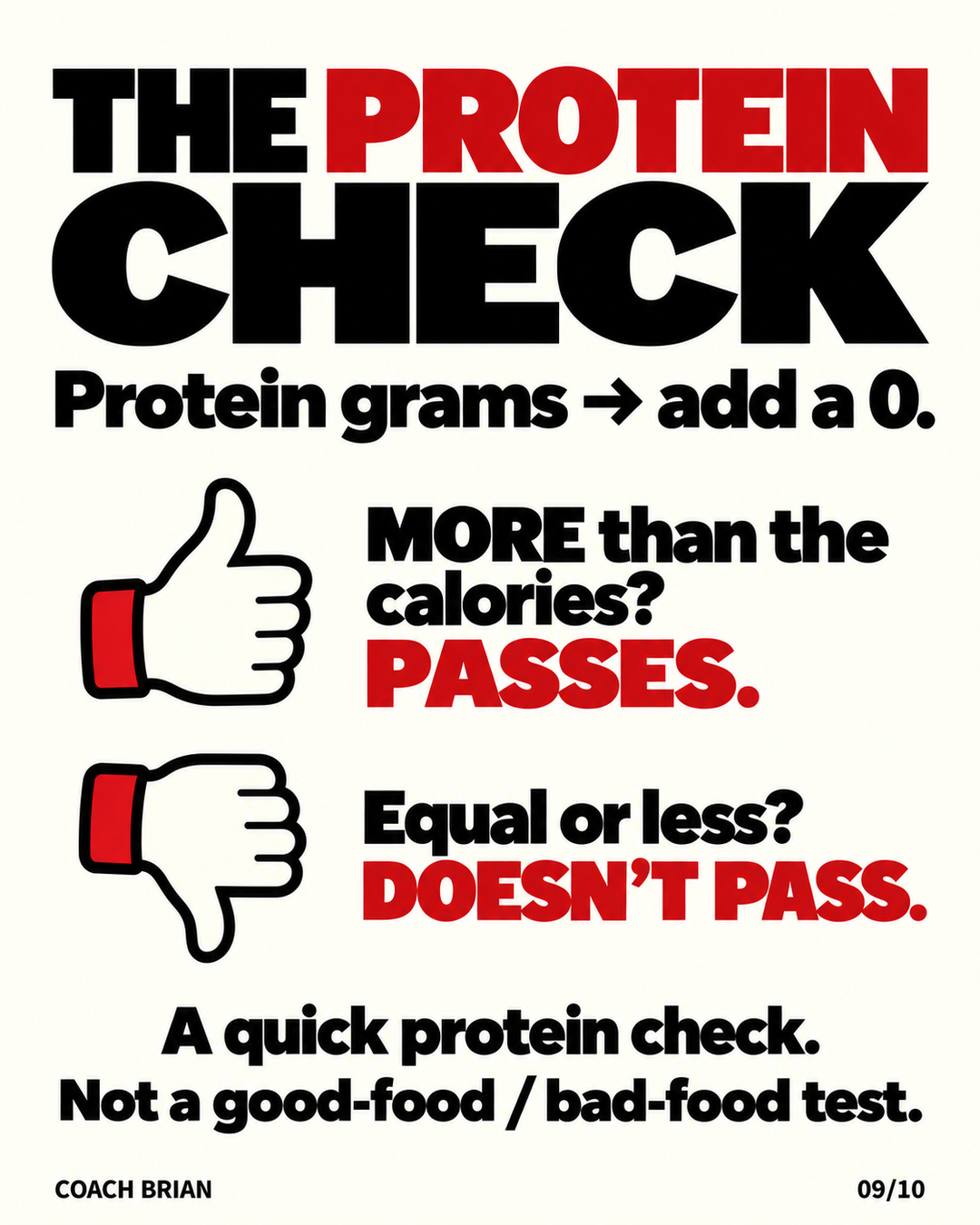
A "high protein" label is not the same as a good protein deal. Find the protein grams on the label. Add a zero to that number. Compare it with the calories. A bigger number than the calories is a good trade. A tied or smaller number is not, no matter what the front of the package says.
The Trade You Are Making
Every packaged food is a trade. You pay calories and you get nutrients back, protein among them. "High protein" on the front tells you the trade includes protein. It says nothing about whether the trade is a good one.
The Protein Check answers that second question. Multiply the protein grams per serving by 10. Compare the result with the calories per serving. A bigger number beats the calorie cost. A tied or smaller number does not.
Six Products, Run Through The Same Trade
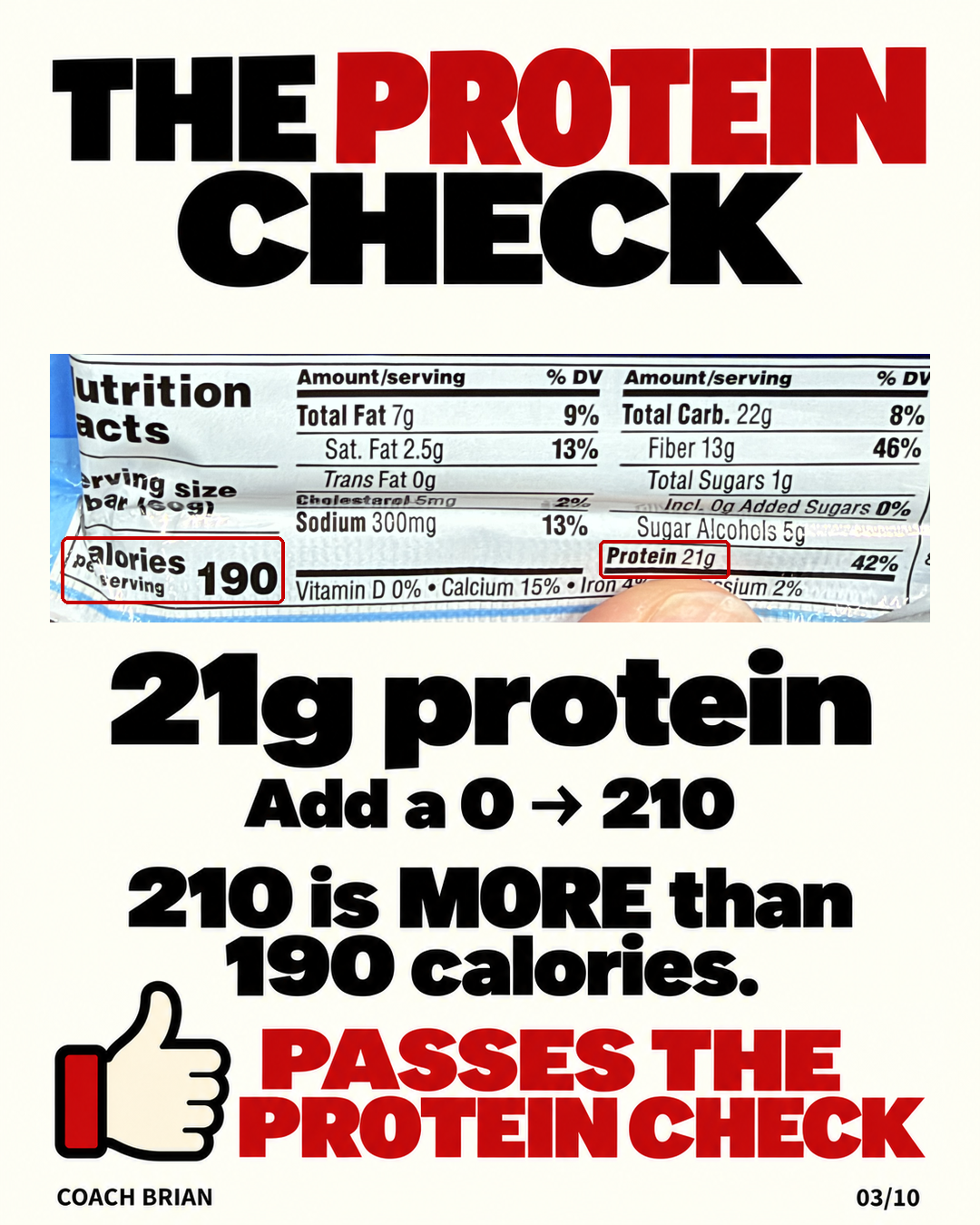
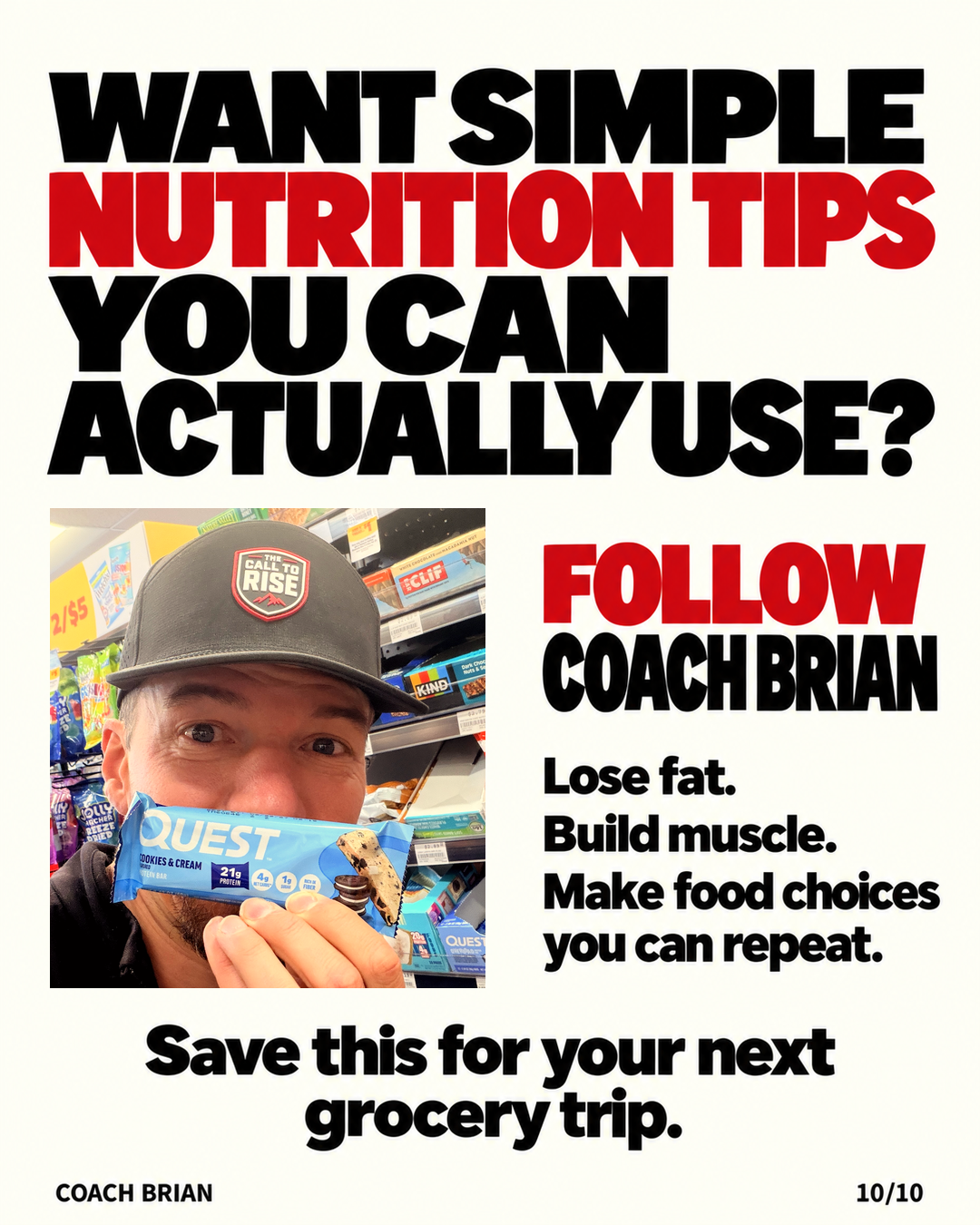
Quest Protein Bar, Cookies & Cream. 190 calories, 21 grams of protein. 21 times 10 is 210. That beats 190, so the trade favors you.
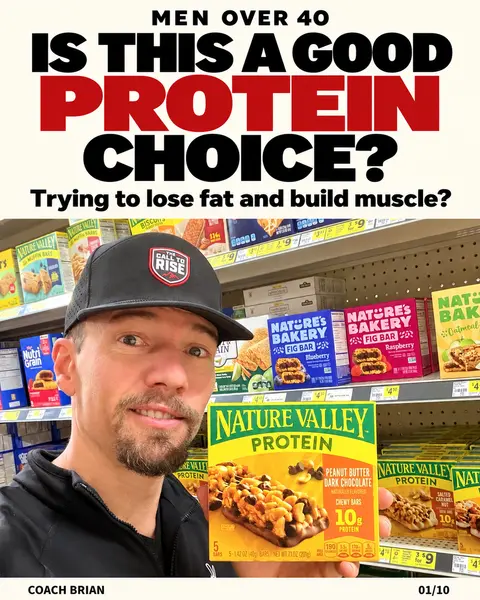
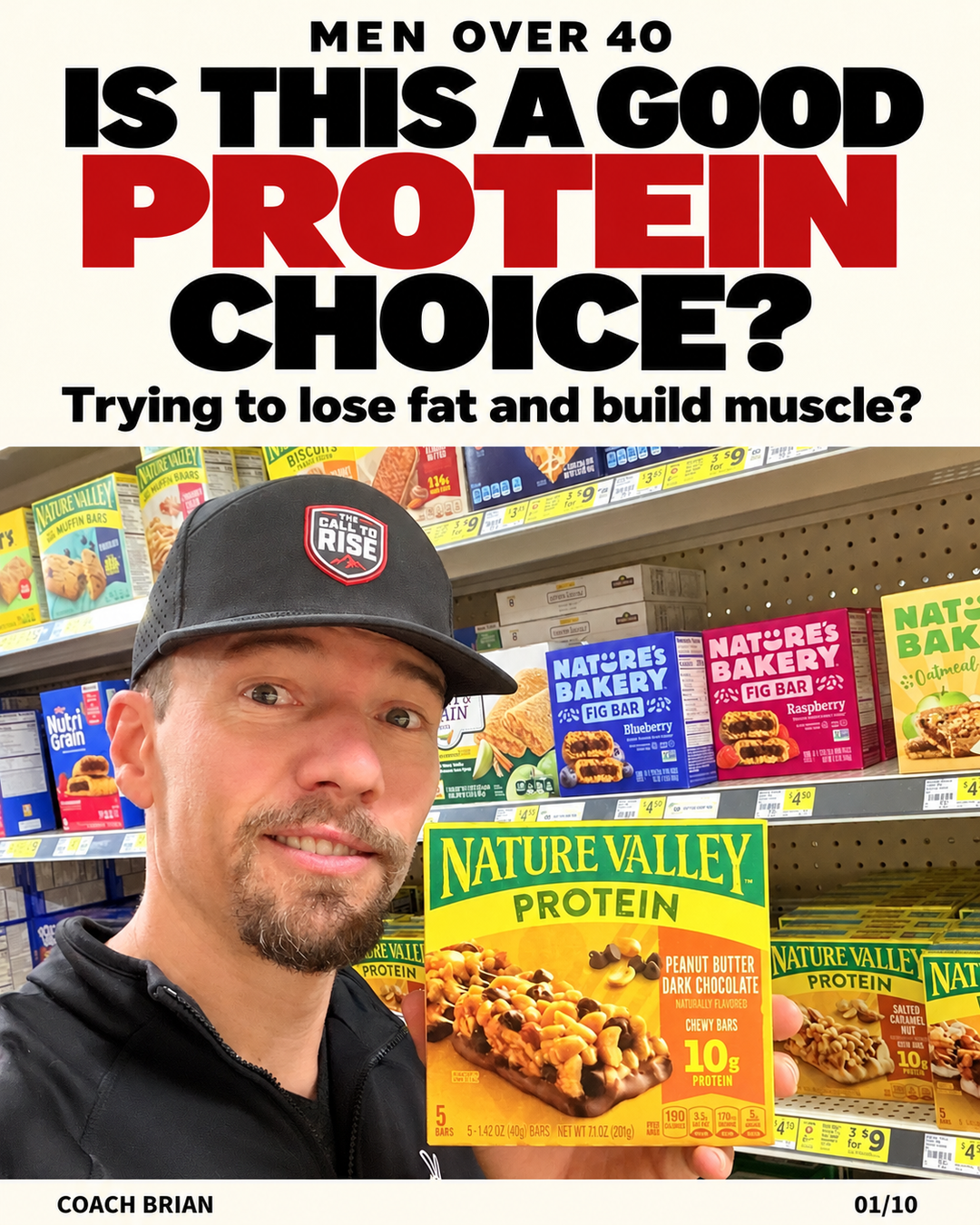
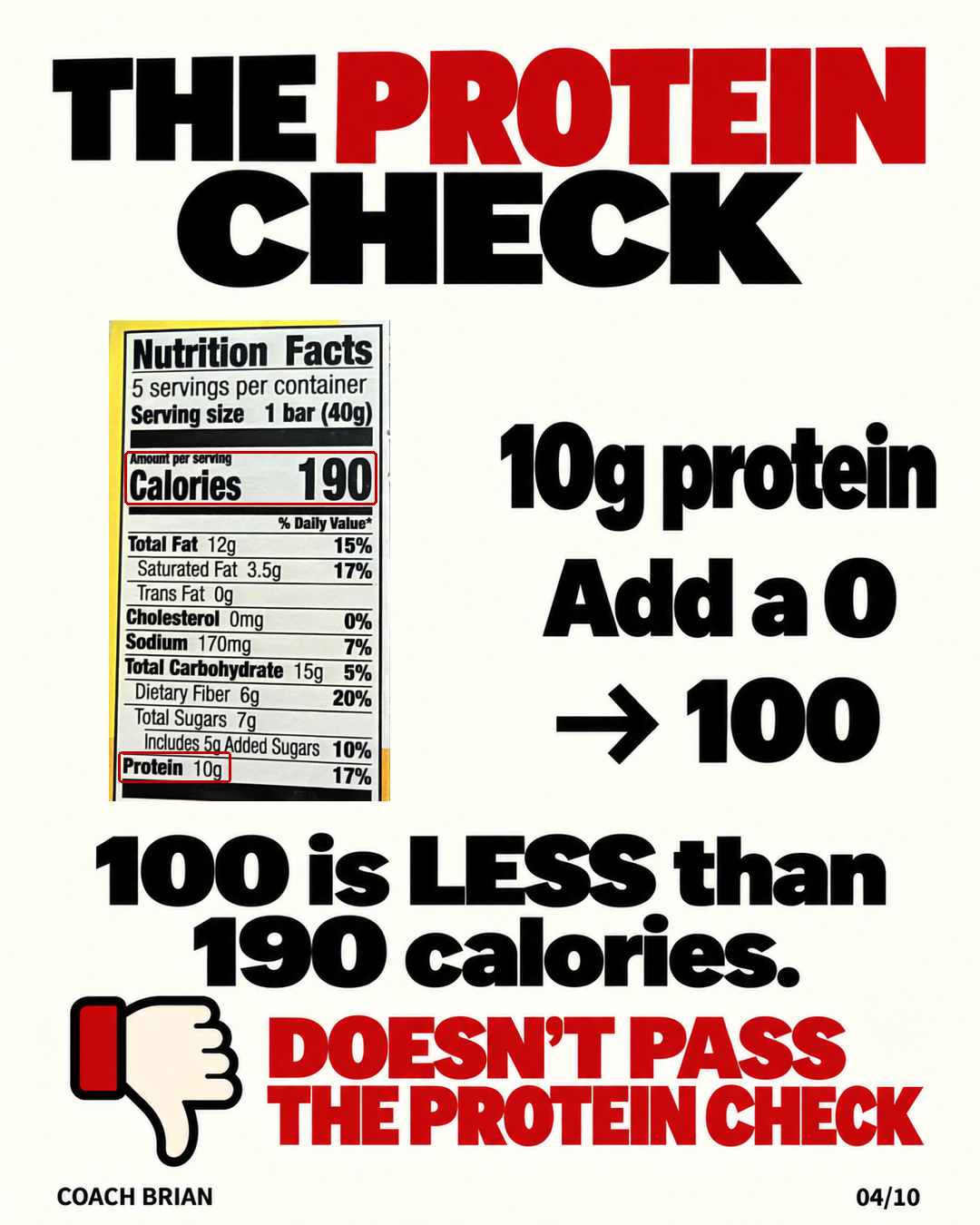
Nature Valley Protein Bar, Peanut Butter Dark Chocolate. 190 calories, 10 grams of protein. 10 times 10 is 100. That loses to 190. Same calorie cost as the Quest bar above, for less than half the protein back.
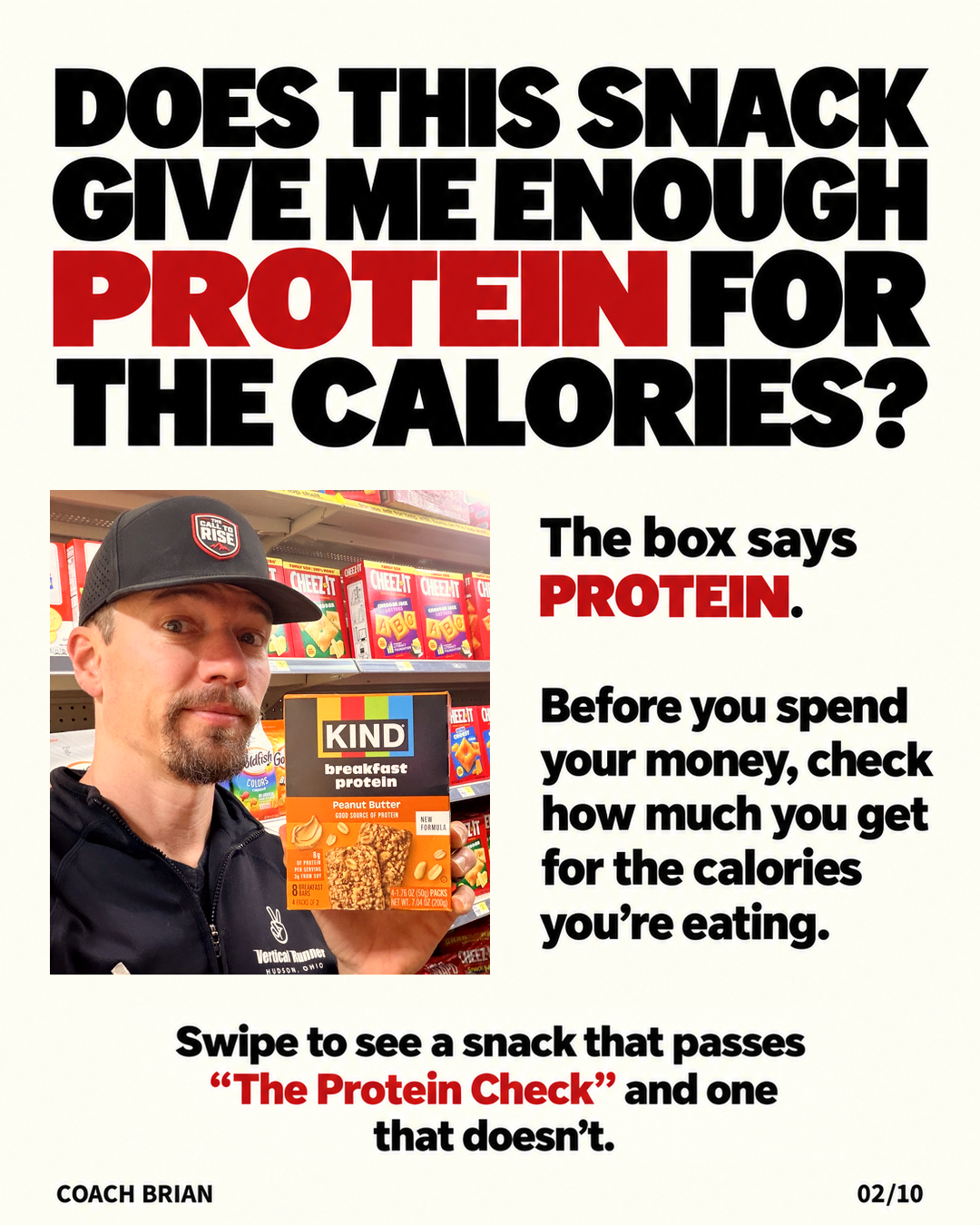
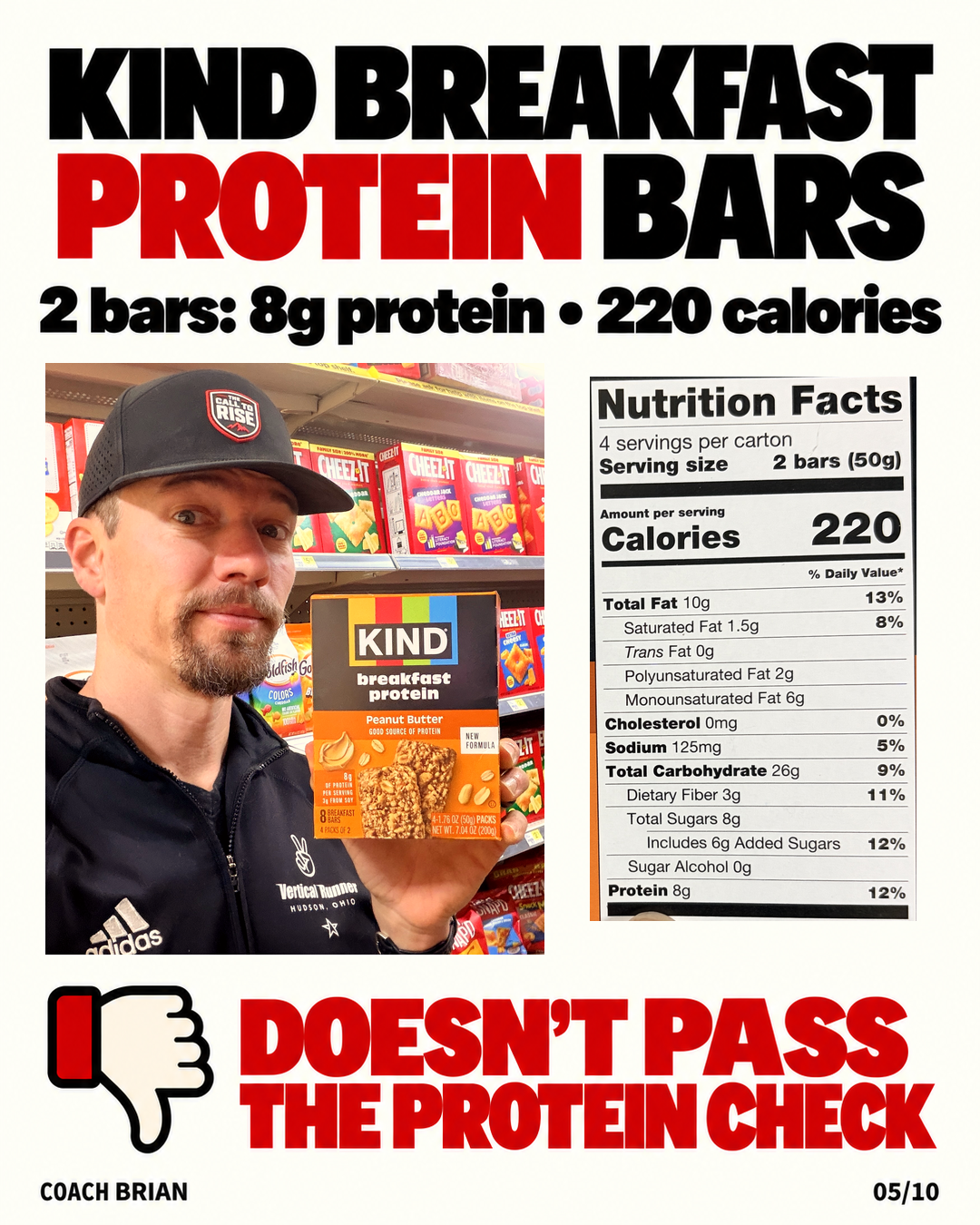
KIND Breakfast Protein Bars. Two bars count as one labeled serving, at 220 calories and 8 grams of protein. 8 times 10 is 80. That loses to 220.
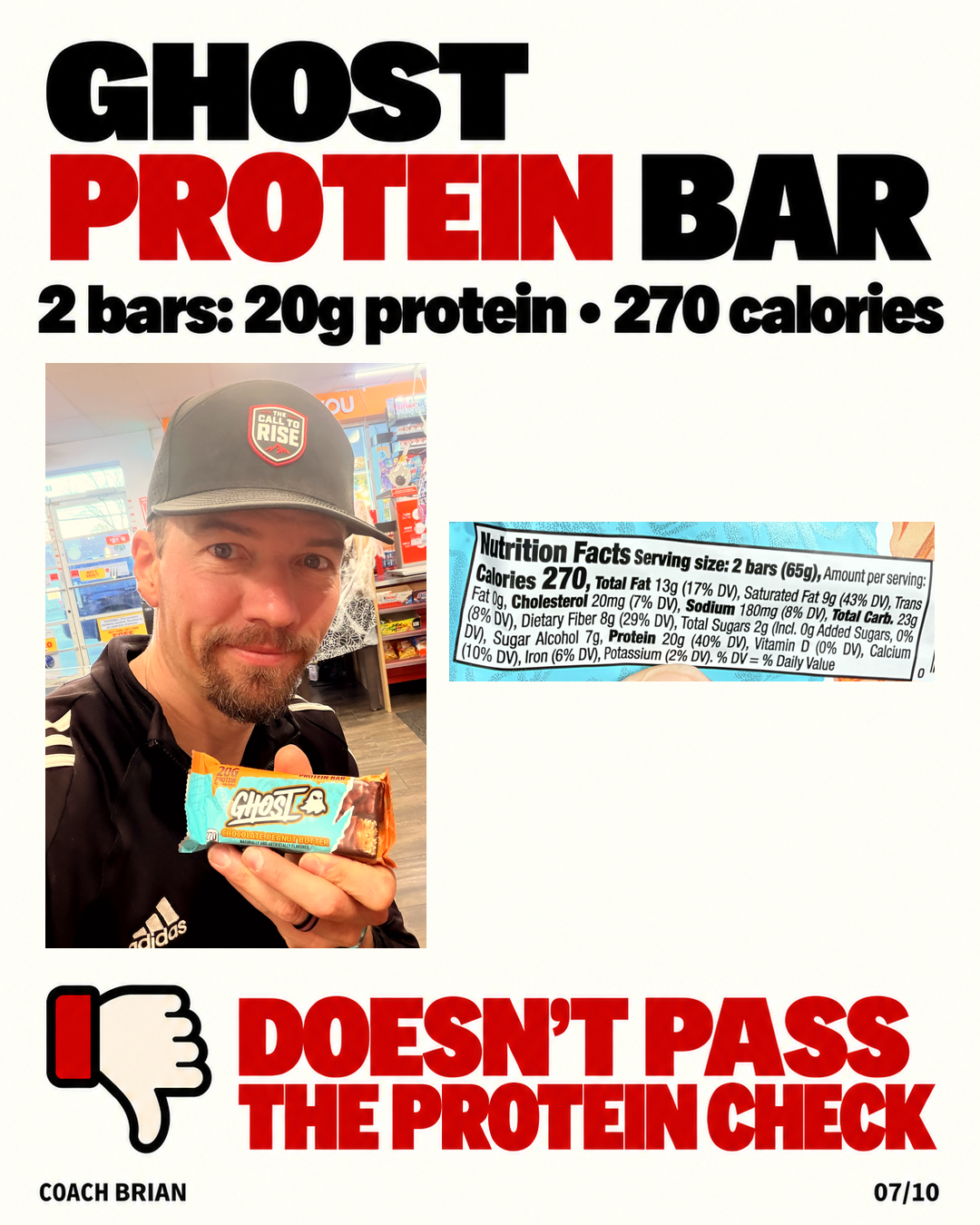
GHOST Protein Bar. Two bars count as one labeled serving, at 270 calories and 20 grams of protein. 20 times 10 is 200. That loses to 270.
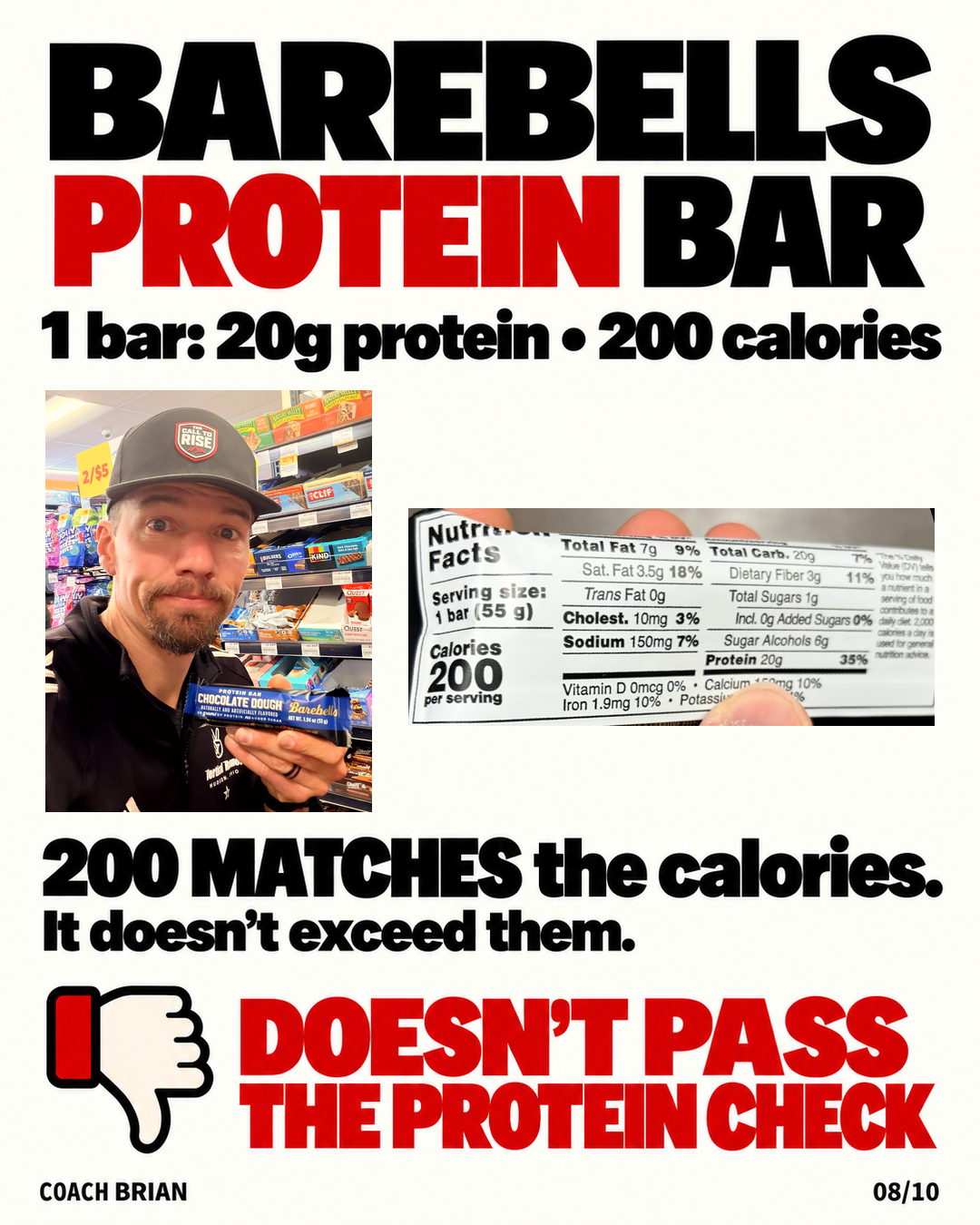
Barebells Protein Bar, Chocolate Dough. One bar runs 200 calories with 20 grams of protein. 20 times 10 lands at exactly 200. The trade ties instead of favoring you, and under this strict rule a tie does not pass.
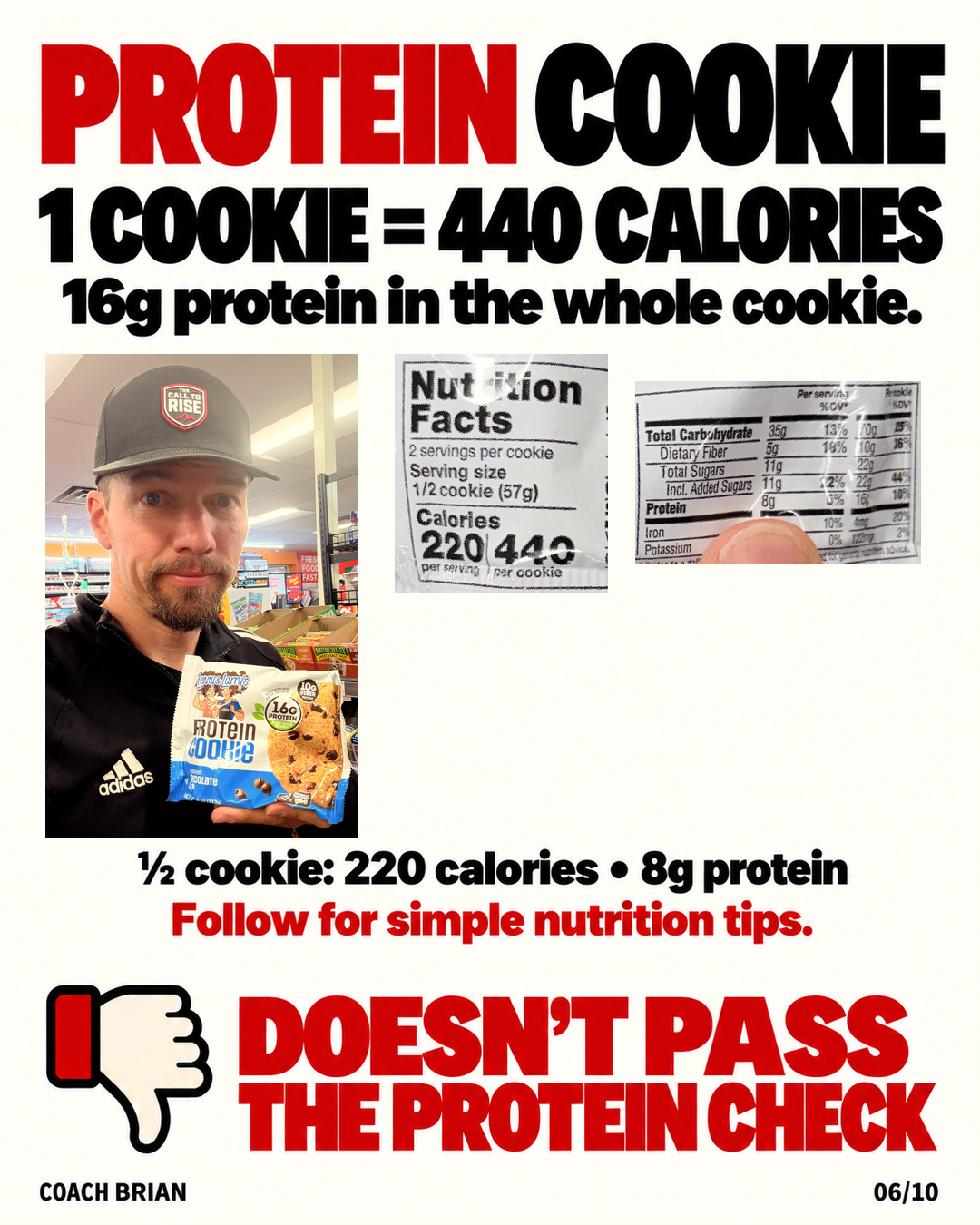
A protein cookie, two ways. The label lists half the cookie as one serving: 220 calories, 8 grams of protein. 8 times 10 is 80, which loses to 220. Eat the whole cookie and the real trade is 440 calories for 16 grams of protein. 16 times 10 is 160, which still loses to 440. The serving-size line hides more than half the real cost here.
Why This Pattern Shows Up So Often
Coverage of the packaged-food industry has started using the term "protein washing" for exactly this pattern: a front-label protein claim that outruns what the product delivers for the calories it costs. The front of a package is marketing copy. The back of a package is the trade itself, in numbers.
What This Check Does Not Cover
This check only weighs protein against calories. Added sugar is a separate number. Sodium and fiber are separate numbers too. A product can win the Protein Check and still carry a sugar or sodium count worth a second look. Read the full label, not one line of it. How to Read Nutrition Labels for Fat Loss After 40 walks through those other numbers in full.
Common Mistakes
Trusting "high protein" on the front is the first mistake. The claim describes what is inside, not whether the trade favors you.
Reading only the printed serving size is the second mistake. Several products on this list name a multi-piece serving. The printed numbers cover the whole named serving, not one piece. The Gas Station Test That Sorts Protein From Fat runs the same per-100-calorie math on a different shelf.
Calling a tie a win is the third mistake. Protein times 10 has to beat the calories outright.
Who This Is For And Not For
This fits a man standing in front of a "high protein" shelf who wants a fast way to tell a good trade from a bad one. It is not a verdict on any single food, and it is not a reason to drop a product you like. A product that loses this trade can still have a place in your week.
Frequently Asked Questions
What is the Protein Check?
A way to measure whether a packaged food's protein is worth its calorie cost. Multiply the protein grams by 10 and compare that number with the calories. A bigger number wins the trade.
Is "high protein" on the label the same as passing the Protein Check?
No. Several products on this list carry a front-label protein claim and still lose the trade once the actual numbers are compared.
Does a tied number win the Protein Check?
No. The Barebells bar above ties at 200 and 200. A tie does not beat the calories, so it does not pass under this strict rule.
Why does the serving size matter so much for a product like the cookie on this list?
The label counts half the cookie as one serving. Most men eat the whole thing. The real trade for a whole cookie is 440 calories for 16 grams of protein, and that trade still does not pass.
Does losing the Protein Check mean a product is unhealthy?
No. This check measures one trade: protein against calories. Sugar is a separate number. Sodium and fiber are separate numbers too. None of that decides whether a product fits your week.
What is "protein washing"?
Coverage of the packaged-food industry uses the term for front-label protein claims that outrun what a product delivers for its calories. It is reporting on a pattern, not a single study.
Listen Next
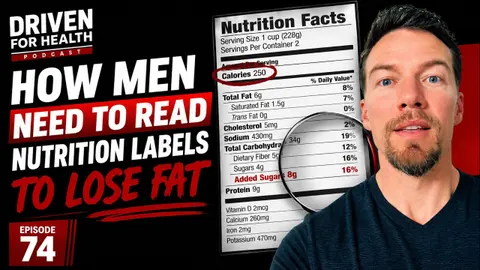
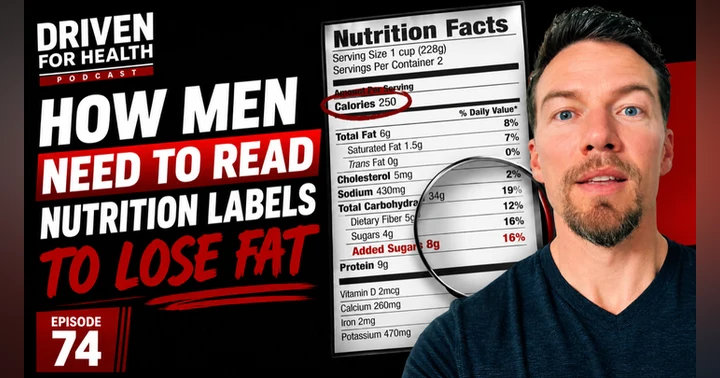
Episode 74 of the Driven For Health podcast is called "How Men Need To Read Nutrition Labels To Lose Fat." It covers the rest of the label this check does not reach. Serving size gets a full walkthrough. Added sugar, fiber and sodium get the same treatment. The episode also covers the research on why a front-label claim can change what you eat before you ever check a number. Listen to How Men Need To Read Nutrition Labels To Lose Fat - 74.
The Ten Slides
Does a Long Ingredient List Mean a Food Is Bad for Fat Loss?


 YouTube