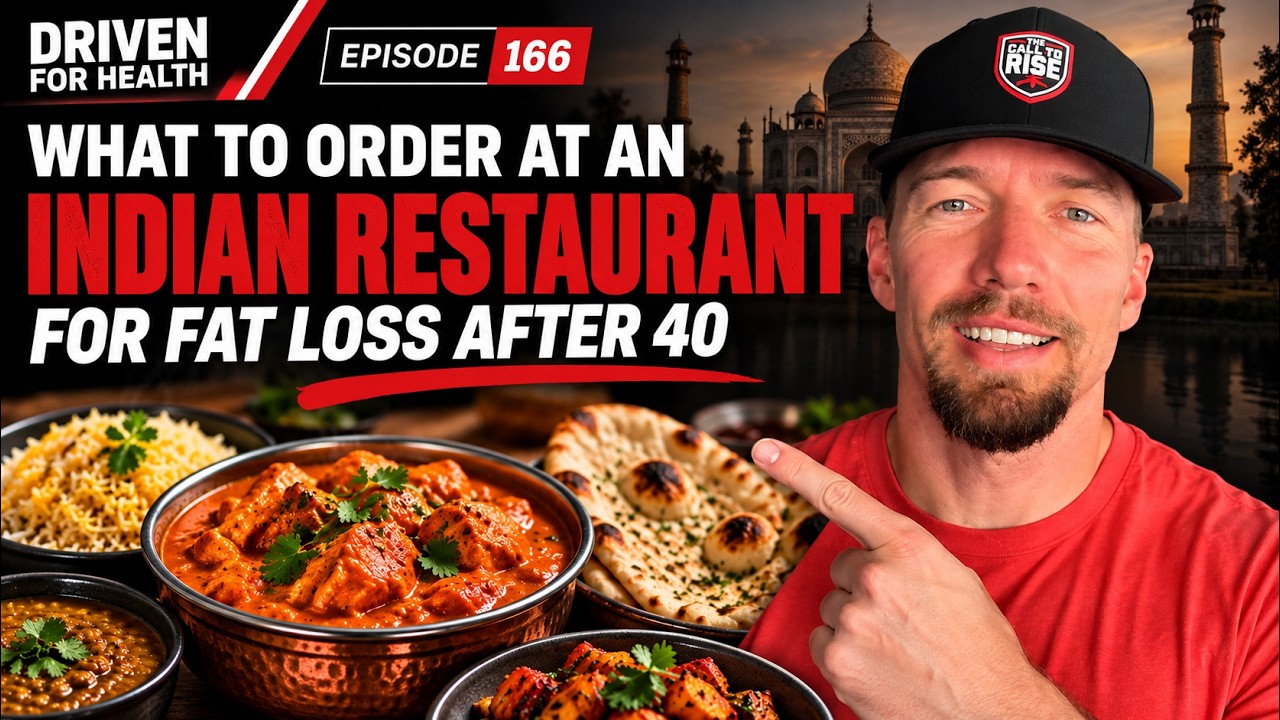
What To Order At Indian Restaurants For Fat Loss
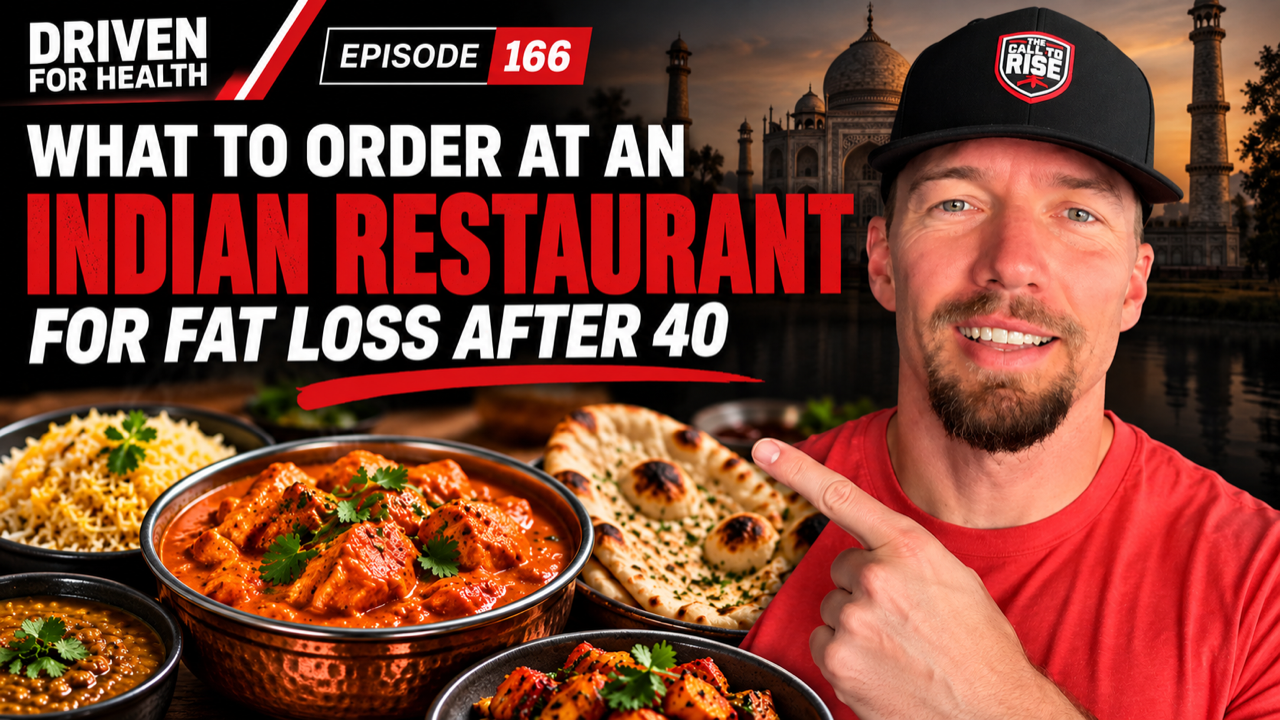
Chicken tikka and chicken tikka masala sit one word apart on the menu and arrive as two different plates. Coach Brian reads an Indian menu word by word and prices what each one puts in front of you. You leave with three orders you can say at the table.
At Tiffin the chicken tikka masala runs about 800 calories with 40 grams of protein. A skewered chicken dish called lasooni tikka runs about 600 calories with 60 grams. That gap comes from one word on the menu.
One Word Apart
You open the menu and the page is full of words you do not use anywhere else. Korma. Makhani. Vindaloo. Tikka. Tandoori.
The server asks how spicy you want it. You say medium. Rice or naan, and you say both.
Then you get to the chicken. Chicken tikka and chicken tikka masala read like the same dish with a longer name.
Twenty minutes later the food arrives. The chicken tikka is pieces of chicken off a skewer. The chicken tikka masala arrives in a bowl under sauce.
That one word changed the whole plate. An Indian menu has a handful of words like that, and each one tells you how the dish is cooked.
Where These Numbers Come From
Coach Brian uses Tiffin Indian Cuisine for the figures in this episode because it publishes its nutrition information.
Your local place uses its own recipes and its own portions. Use every number here as a close guess for your own order.
Indian cooking leans higher on carbohydrate and fat than most men expect. Plan your order with that in mind.
What Tiffin Means
Tiffin is an Indian English word for a meal. In South India it means a light breakfast or a snack between meals. In Mumbai it means a packed lunch.
Kids carry a tiffin box to school. Grown men get tiffin delivered to the office at midday.
One word carries two meanings depending on where you are.
Tikka Tells You It Came Off A Skewer
Tikka means pieces of meat. Chicken tikka is chicken marinated in yogurt and spices, then cooked on skewers in a tandoor.
A tandoor is a clay oven that runs hot and cooks fast. When you see tandoori on a menu, that dish came out of that oven.
The meat cooks on a skewer and no sauce comes with it unless you order one.
At Tiffin a skewered chicken dish called lasooni tikka runs about 600 calories with 60 grams of protein. That is a workday lunch that covers your protein in one order.
The grilled side of the menu also sells full plates. A full tandoori chicken plate can run over 1,100 calories. Ask whether it is a full chicken or a half chicken before you decide about an appetizer.
Masala Means The Sauce Arrived
Masala is a mix of spices. Chicken tikka masala takes that same skewered chicken and serves it in sauce.
The sauce changes from kitchen to kitchen. Tomato and cream and yogurt and butter and oil all turn up in different versions.
At Tiffin the chicken tikka masala runs about 800 calories with 40 grams of protein. Compare that to the skewered dish at 600 calories with 60 grams.
The sauce adds about 200 calories and takes you 20 grams further from your protein. Order it when you want it and count the extra 200 calories.
Dal Tadka Or Dal Makhani
Dal means lentils. Lentils bring plant protein and fiber. Studies show a meal built on beans or lentils leaves you fuller than the same meal without them.
Tadka means spices cooked in hot fat and poured over the dish. That fat is oil or butter depending on the kitchen.
Makhani means buttery. Tiffin describes its version as a buttery tomato cream sauce, so the word on the menu is doing the work of a nutrition label.
Dal tadka runs about 400 calories at Tiffin. Dal makhani runs about 600. The protein is close on both, because lentils are lentils and the butter is what changed.
Makhani is the word to watch for on this menu.
Naan Or Stuffed Naan
Naan comes out of the same tandoor. It is soft and chewy and usually brushed with butter on the way out.
A tablespoon of butter runs about 100 calories, and a brush of it is added without anybody mentioning it.
Classic naan runs about 400 calories a piece at Tiffin. The stuffed version runs closer to 700.
Tiffin's stuffed version is peshawari naan, filled with almond and pistachio and coconut and cashew. Those are all fat sources and they add about 300 calories to the bread.
Two pieces of naan can put 800 calories on your table before you eat anything else. None of those 800 calories gets you closer to your protein.
Basmati Rice Or Biryani
Basmati rice is rice. A serving runs about 200 calories with 40 grams of carbohydrate.
Biryani is a full meal in one dish. Meat and vegetables cook into the rice with oil and butter.
Tiffin's chicken biryani runs about 1,100 calories with 55 grams of protein. The protein is real and the calorie cost is high.
Do the math on that plate. Protein carries 4 calories a gram, so 55 grams is 220 calories. That is 20 percent of the dish, and rice and fat carry the other 80 percent.
Order biryani on its own and plan to eat half. Ask whether it arrives with a yogurt sauce or a side of curry, because some kitchens add both.
Mild Medium Or Hot Is About Chili Only
The spice question tells the kitchen how much chili to use. It predicts nothing about calories.
Korma is a mild braise built on cream and yogurt and ground nuts. It can be one of the richest dishes on the page.
Vindaloo is a hot curry made with vinegar and chili, and it can carry plenty of oil. Answer the spice question however you like and read the cooking words separately.
Coach Brian learned the heat scale at a Thai restaurant with his father-in-law. He ordered medium the first time and got teased for it. A year later he went back and ordered Thai hot, and it was manageable.
Pick Rice Or Naan
A full serving of rice plus a piece of bread is two starches on one plate. Pick one and let the other go.
Most restaurants in this series put a starch on the table before you ask. Greek places bring pita and Mexican places bring tortillas. At an Indian restaurant it is naan.
Chana masala is worth knowing if you want the vegetarian order. Chana means chickpeas, so it brings fiber and plant protein the same way dal does.
Paneer is a cheese. It carries some protein and a lot of fat, so treat it as a fat source with protein attached.
Mango lassi is a sweetened yogurt drink. It counts as part of the meal and can run 200 to 300 calories.
Three Orders Worth Knowing
If you want the grilled plate, order chicken tikka with dal and one piece of naan and skip the rice.
If you want curry, get chicken tikka masala with rice and leave the naan off.
The vegetarian order is chana masala with the rice on the side, so you decide how much of it you eat.
A man who keeps eating more than he burns at dinners like this raises his risk of type 2 diabetes and heart disease. His kids still need a dad who can get down on the floor and play with them.
Action Steps
- Read the last word on the dish name before you read the first one.
- Treat makhani as a signal that butter is already in the sauce.
- Ask whether a tandoori plate is a full chicken or a half chicken.
- Pick rice or naan and leave the other off the order.
- Count naan by the piece at about 400 calories each.
- Split a biryani in half when it lands.
- Count the mango lassi as part of the meal.
- Send questions to brian@brianparana.com.
More From Driven For Health
- Episode 165 covers what to order at Greek and Mediterranean restaurants.
- Episode 145 opened the what-to-order series with Chipotle.
Get The Guide
Coach Brian built a guide for eating away from your own kitchen. It covers restaurants and fast food and airports and fine dining in one place.
Grab the Eating On-The-Go Guide at go.brianparana.com/eatingonthego.
The Call To Rise
The Call To Rise is a 100-day Fat Loss Challenge designed for driven men ready to get back to a healthy body, boost their energy, and lead as a powerful man.
If you are struggling with some form of chronic illness such as high blood pressure, cholesterol or even Type 2 Diabetes - this program is designed for you too.
Through a proven system of strength training, personalized nutrition, and real accountability, most men lose 20 plus pounds and rebuild the confidence that comes with it and even improve chronic illness issues. It's more than a fitness program, it's a body transformation experience with a Brotherhood of like-minded men committed to showing up, leveling up, and leading in a body they are excited about.
This is your wake-up call to rise.
www.thecalltorise.com
Frequently Asked Questions
What is the difference between chicken tikka and chicken tikka masala?
Chicken tikka is chicken marinated in yogurt and spices, then cooked on skewers in a tandoor. Chicken tikka masala serves that same chicken in a sauce. At the restaurant used for reference in this episode a skewered chicken dish called lasooni tikka runs about 600 calories with 60 grams of protein. The chicken tikka masala runs about 800 with 40.
What does makhani mean on an Indian menu?
Makhani means buttery. The restaurant used for reference in this episode describes its dal makhani as a buttery tomato cream sauce, and that dish runs about 600 calories against about 400 for dal tadka.
How many calories are in naan bread?
Classic naan runs about 400 calories a piece at the restaurant used for reference in this episode. Stuffed naan runs closer to 700, so two pieces of naan can add about 800 calories to your meal.
Does mild Indian food have fewer calories than hot?
No. The spice level tells the kitchen how much chili to use and nothing else. A mild korma is built on cream and yogurt and ground nuts, so it can be one of the richest dishes on the menu.
How many calories are in chicken biryani?
Chicken biryani runs about 1,100 calories with 55 grams of protein at the restaurant used for reference in this episode. That works out to 20 percent of the calories coming from protein, with rice and fat carrying the rest.
What is the difference between dal tadka and dal makhani?
Both are lentil dishes with similar protein. Dal tadka runs about 400 calories and dal makhani runs about 600, because makhani means the sauce is built on butter and cream.
What should you order at an Indian restaurant to lose fat?
Order chicken tikka with dal and one piece of naan, and skip the rice. That gives you a grilled protein with fiber and one starch instead of two.
What is the Call To Rise program?
The Call To Rise is a 100-day fat loss challenge built around strength training, personalized nutrition and real accountability. Most men lose 20 plus pounds and rebuild the confidence that comes with it.

CEO l Head Body Tranformer
Brian Parana is a men’s health coach with 23+ years of experience helping busy professionals improve their body, energy, and day-to-day habits while still leading at work and at home. His coaching is built around practical nutrition, training, sleep, and accountability, with a plan tailored to the person in front of him.
Over the years, Brian has helped thousands of clients through his work as a personal trainer, CrossFit gym owner, and online coach. He has also coached an Olympic silver medalist, a 2-time Olympian, and a CrossFit World Champion.
Brian is the host of the Driven For Health Podcast, where he shares real-world strategies for men who want to feel strong again and stay consistent without making health a second job.
He’s also the creator of The Call To Rise, a 100-day fat loss experience for driven men who want to drop 20–30 pounds, boost energy, and rebuild confidence through strength training, personalized nutrition, and high-accountability coaching. Many men join because their blood pressure, cholesterol, or blood sugar is heading the wrong direction, and they want a clear plan that fits real life.
Brian is married to his high school sweetheart, Amber, and they have four kids. Their family has traveled to all 50 states and 4 continents, with a goal to reach all seven.

Why "High Protein" Can Be The Wrong Trade


 YouTube