Meal Timing for Men Over 40: When to Eat for Fat Loss and Energy
Most men over 40 are eating the right foods but at the wrong times. Or they are skipping meals, crashing in the afternoon, and raiding the pantry at 10 PM. Meal timing is the fourth level of the Nutrition Pyramid. It sits above calories, macros, and micronutrients. Get this level right and your energy stabilizes, your workouts improve, and late-night cravings disappear.
Meal Timing in the Nutrition Pyramid
The Nutrition Pyramid puts things in order of impact. Calories come first. Macronutrients come second. Micronutrients come third. Nutrient timing and meal frequency come fourth. That order matters. If your calories are off, meal timing cannot fix it. But once your calories and macros are dialed in, timing becomes the next lever that moves results forward.
Men over 40 often skip to timing before the basics are solid. They try intermittent fasting or stop eating after 6 PM before they have a handle on protein intake. That puts the fourth layer before the first three. Start at the bottom and build up.
How Many Meals Should You Eat Each Day
The research on meal frequency points to a practical range. Eating three to five meals a day supports muscle protein synthesis better than one or two large meals. Protein triggers muscle repair and growth, but that response has a ceiling at each meal. Spreading protein across the day keeps that signal active for more hours.
Aim to spread your daily protein across three to five eating opportunities, spaced three to five hours apart. You do not need six small meals. You do not need to eat every two hours. Three solid meals with one or two snacks covers most men's needs and fits a busy schedule without requiring constant food prep.
Meal frequency has almost no effect on fat loss when calories are equal. The man eating three meals at 2,400 calories loses the same amount of fat as the man eating six meals at 2,400 calories. Pick the pattern you can follow consistently.
Why Meal Timing Matters for Energy
Blood sugar drops between meals. When it drops too far, energy crashes and cravings spike. This is why men over 40 often hit a wall at 2 PM or 3 PM and feel a strong pull toward sugar, carbs, or caffeine. The fix is not willpower. The fix is eating often enough to keep blood sugar stable and making sure each meal has enough protein and fiber to slow digestion.
A meal built around protein and vegetables will hold you longer than a meal built around carbs alone. Start every meal with protein. Add vegetables. Add starchy carbs last. That sequence changes how fast glucose enters your bloodstream and how long you stay full.
Pre-Workout Nutrition That Works
What you eat before training affects how your workout feels and how much your body can do. A meal one to two hours before training works well for most men. The goal is stable energy going into the session, not a sugar spike that crashes halfway through.
Before a workout, eat a moderate portion of protein and a moderate portion of carbohydrates. Keep fat low at this meal because fat slows digestion. A chicken breast with rice, Greek yogurt with fruit, or eggs with toast are practical options. You do not need a pre-workout supplement to have a strong session. Real food does the job.
If you train first thing in the morning, a small snack of protein and carbs within 30 minutes before training is better than training fasted for most men over 40. Low blood sugar going into training limits intensity and leads to muscle breakdown for fuel. Give your body something to work with.
Post-Workout Nutrition That Matters
After training, your muscles are primed to take in nutrients. The window is wider than most people think. You do not need protein within 30 minutes of finishing. Research supports a window of two hours. But eating sooner is still better than delaying your post-workout meal for four or five hours.
After a workout, prioritize protein. Aim for 30 to 40 grams. Add carbohydrates to replenish glycogen and support recovery. Whey protein with fruit is fast and convenient. A full meal of chicken, rice, and vegetables works equally well. The key is getting the protein in within a reasonable window, not racing the clock.
Skip the post-workout protein if your next full meal is less than two hours away. An extra protein shake on top of a full meal adds calories you do not need. Keep it simple.
Calorie Cycling and Diet Breaks
Eating the same calories every day creates adaptation. Your body gets used to the deficit and slows its response. Calorie cycling gives your body variation that keeps the metabolism responsive and makes the diet easier to stick to long-term.
A simple approach: eat at a modest deficit on most days. On training days, eat slightly more. Add more carbohydrates on those days. On rest days, eat slightly less. The weekly total stays the same. The variation makes each day more manageable and supports better performance on the days you train.
A diet break is a planned period of eating at maintenance calories for one to two weeks after an extended deficit. It resets hunger hormones, restores glycogen, and gives you a mental break. Men who use diet breaks tend to lose more fat over six months than men who push through a continuous deficit without stopping. The break is not a failure. It is a strategy.
Refeeds and How to Use Them
A refeed is a single day of eating at maintenance calories, focused on increasing carbohydrates. It temporarily raises leptin, the hormone that signals fullness and keeps metabolism from slowing. Men who hit a plateau after four to six weeks on a deficit often see results restart after a planned refeed.
A refeed day does not mean eating anything you want. It means eating at maintenance. Add extra carbs from whole food sources: rice, oats, fruit, potatoes. Fat stays lower on this day to make room for the carb increase without going over maintenance calories. Protein stays the same.
Stopping Late-Night Cravings
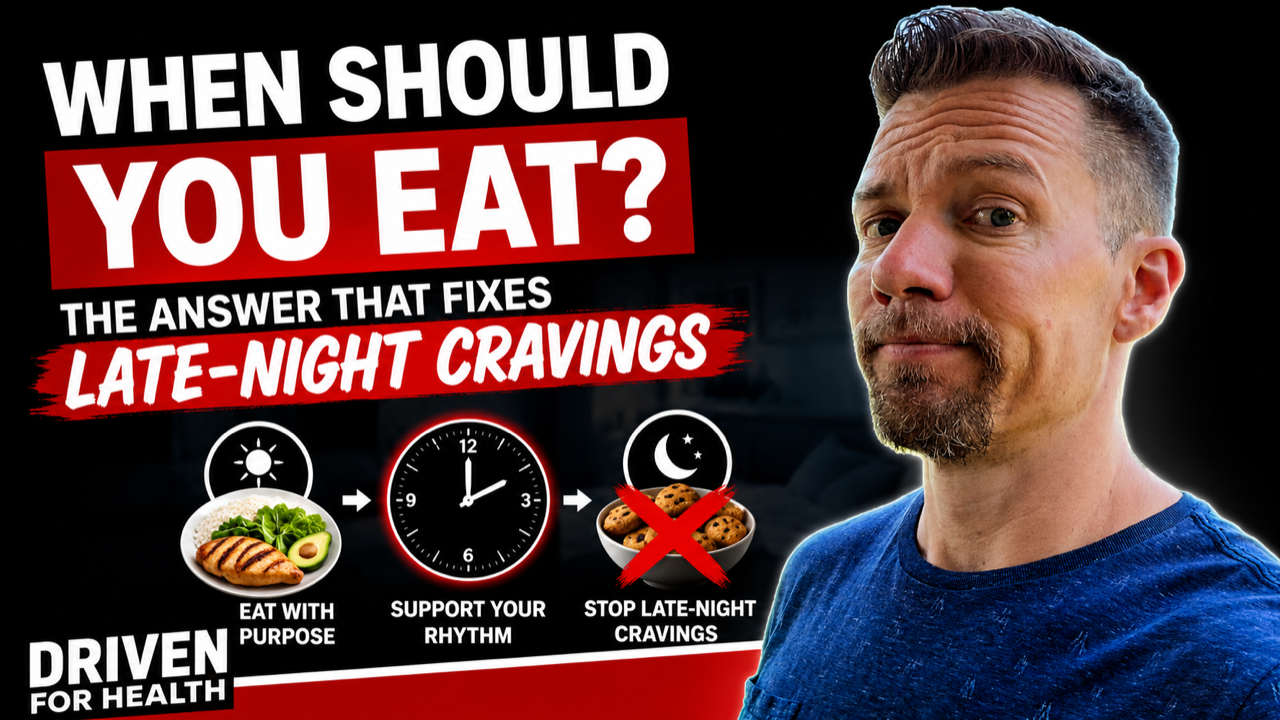
Late-night cravings are not a willpower problem. They are a hunger problem caused by undereating during the day. If you skip breakfast, eat a light lunch, and try to make up for it at dinner, your body will push you toward the pantry at 9 PM. The fix is to distribute your calories more evenly across the day.
Eat a solid breakfast with protein. Eat a full lunch. Have a planned afternoon snack if your dinner is more than four or five hours away. When you arrive at dinner having eaten consistently, the evening pull toward snacking drops significantly. If evening hunger still hits, a small protein-based snack handles it without derailing your progress. Greek yogurt, cottage cheese, or a small amount of nuts work well. Chips, crackers, and candy do not.
Intermittent Fasting for Men Over 40
Intermittent fasting has research behind it, but it is not superior to standard eating patterns when total calories and protein are matched. For some men it works well because it simplifies the day and reduces total eating opportunities. For other men it leads to undereating protein and intense hunger that breaks the plan.
If you use intermittent fasting, protect your protein target within the eating window. Men over 40 who fast and also undereat protein lose muscle alongside fat. That trade-off works against you long-term. Fat loss without muscle preservation leaves you lighter but softer, with a slower metabolism than you started with.
Practical Meal Timing for a Busy Schedule
Most men over 40 do not need a complex timing protocol. A few rules cover most situations. Eat within an hour of waking. Space meals three to five hours apart. Eat protein at every meal. Have a pre-workout meal one to two hours before training. Eat a protein-rich meal or snack within two hours of finishing your workout. Stop eating two to three hours before bed for better sleep and digestion.
That framework works on a work day, a travel day, and a weekend. It does not require tracking every minute or carrying a food scale. It requires planning enough to have protein at each meal and eating often enough to keep hunger from building to the point where cravings take over.
Meal Timing Recap
Meal timing is the fourth level of the Nutrition Pyramid. It works on top of calories, macros, and micronutrients, not instead of them. Spread protein across three to five meals. Eat protein and carbs before training, protein and carbs after. Use calorie cycling and planned refeeds to push through plateaus. Fix late-night cravings by eating more consistently during the day. Get this layer right, and the nutrition work you are already doing produces better results.
Listen to Episode 8 for the full breakdown of meal timing, calorie cycling, and pre- and post-workout nutrition for men over 40.
For more on this episode, read the companion post on the GHL blog: When Should You Eat? The Answer That Fixes Late-Night Cravings.
Common Questions From This Episode
Does meal timing matter for fat loss?
Total calories and protein matter most. Meal timing becomes a factor once those are dialed in. Spreading protein across three to five meals supports muscle retention better than one or two large meals, and stable eating patterns prevent the energy crashes that lead to late-night overeating.
How many meals should men over 40 eat each day?
Three to five meals per day, spaced three to five hours apart. That range supports muscle protein synthesis, keeps blood sugar stable, and fits a busy schedule. Meal frequency has almost no effect on fat loss when total calories are equal.
What should I eat before a workout?
A moderate portion of protein and carbohydrates one to two hours before training. Keep fat low at this meal since it slows digestion. Eggs with toast, chicken with rice, or Greek yogurt with fruit all work well. If you train first thing in the morning, a small protein and carb snack before the session beats training completely fasted.
What should I eat after a workout?
Thirty to forty grams of protein within two hours of finishing your session. Add carbohydrates to replenish glycogen and support recovery. If a full meal is within two hours, you do not need an extra shake on top of it.
What is calorie cycling and should I try it?
Calorie cycling means eating slightly more on training days and slightly less on rest days, while keeping the weekly total the same. It supports better performance on hard days and keeps the diet easier to stick to. It is a practical strategy for men who want variety without blowing their total.
What is a diet break and when should I use one?
A diet break is a planned one to two week period of eating at maintenance calories after an extended deficit. It resets hunger hormones, restores glycogen, and gives your body and mind a recovery period. Men who use diet breaks tend to lose more fat over six months than those who push through without stopping.
What is a refeed day?
A refeed is a single day of eating at maintenance, focused on increasing carbohydrate intake from whole food sources. It temporarily raises leptin and can restart progress after a plateau. Protein stays the same. Fat drops to make room for the extra carbs without going over maintenance.
Why do I crave food late at night?
Late-night cravings are almost always caused by undereating during the day. Skipping breakfast, eating a light lunch, and trying to compensate at dinner sets up a strong hunger response in the evening. Distribute calories more evenly across the day and the evening pull toward snacking drops significantly.
Is intermittent fasting good for men over 40?
It works for some men and not others. The research shows no fat loss advantage over standard eating when total calories and protein are matched. If you use it, protect your protein target within the eating window. Fasting combined with low protein leads to muscle loss alongside fat, which slows your metabolism and works against long-term results.
How can I stop eating at night?
Eat a protein-rich breakfast, a full lunch, and a planned afternoon snack if dinner is more than four or five hours away. Arrive at dinner having eaten consistently and evening cravings drop significantly. If hunger still hits at night, a small protein-based snack like Greek yogurt or cottage cheese handles it without derailing your plan.
Does it matter if I eat carbs at night?
Total daily carb intake matters more than when you eat them. Eating carbs at night does not cause fat gain on its own. If carbs at night fit your daily targets and help you sleep better, keep them there. What matters is the total, not the timing.
How does meal timing affect my energy during the day?
Blood sugar drops between meals. When it drops too far, energy crashes and cravings spike. Eating protein and fiber at each meal slows digestion and keeps blood sugar stable longer. Three to five meals spaced three to five hours apart prevents the mid-afternoon crash most men over 40 experience.

CEO l Head Body Tranformer
Brian Parana is a men’s health coach with 23+ years of experience helping busy professionals improve their body, energy, and day-to-day habits while still leading at work and at home. His coaching is built around practical nutrition, training, sleep, and accountability, with a plan tailored to the person in front of him.
Over the years, Brian has helped thousands of clients through his work as a personal trainer, CrossFit gym owner, and online coach. He has also coached an Olympic silver medalist, a 2-time Olympian, and a CrossFit World Champion.
Brian is the host of the Driven For Health Podcast, where he shares real-world strategies for men who want to feel strong again and stay consistent without making health a second job.
He’s also the creator of The Call To Rise, a 100-day fat loss experience for driven men who want to drop 20–30 pounds, boost energy, and rebuild confidence through strength training, personalized nutrition, and high-accountability coaching. Many men join because their blood pressure, cholesterol, or blood sugar is heading the wrong direction, and they want a clear plan that fits real life.
Brian is married to his high school sweetheart, Amber, and they have four kids. Their family has traveled to all 50 states and 4 continents, with a goal to reach all seven.

What To Order At Dessert Restaurants For Fat Loss



 YouTube